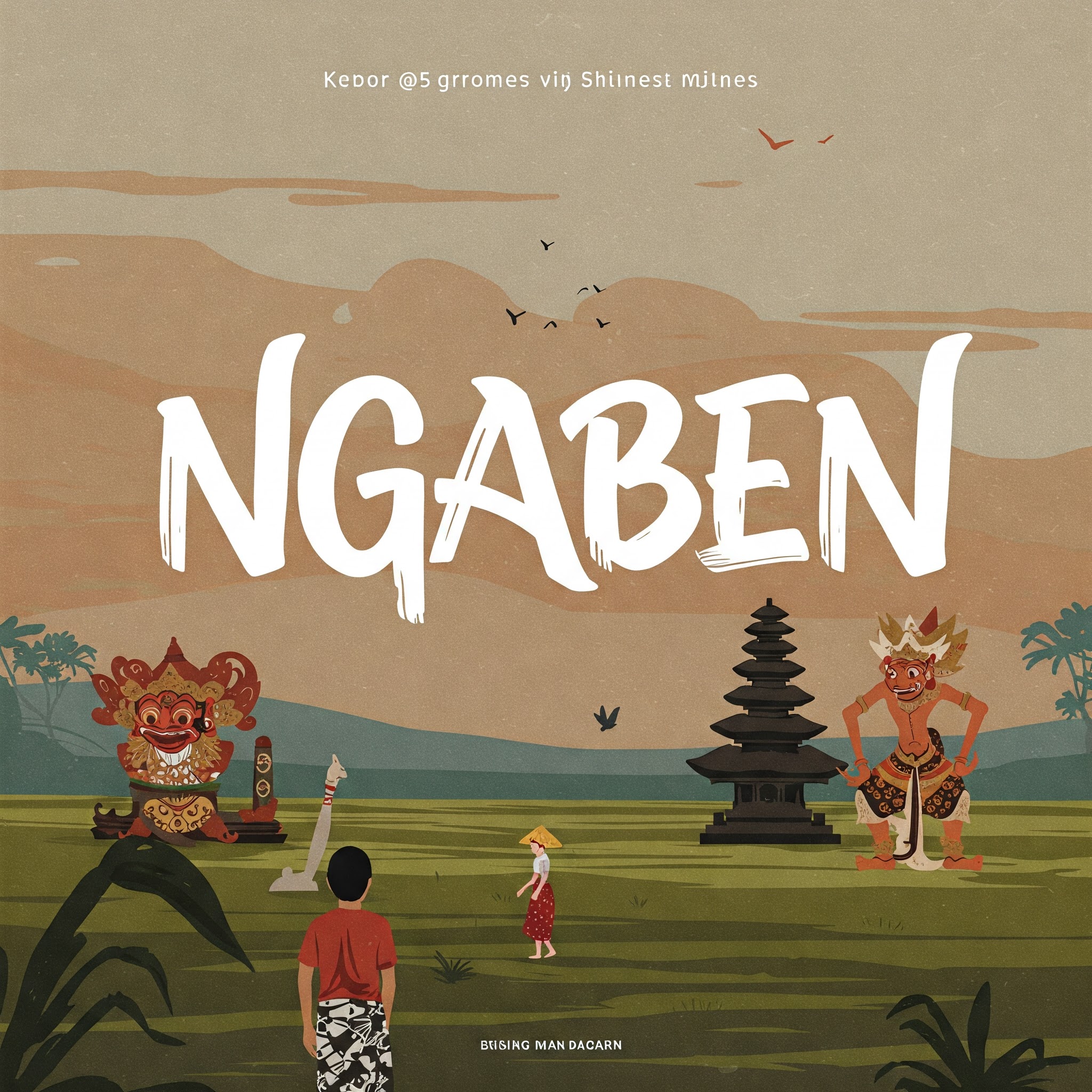
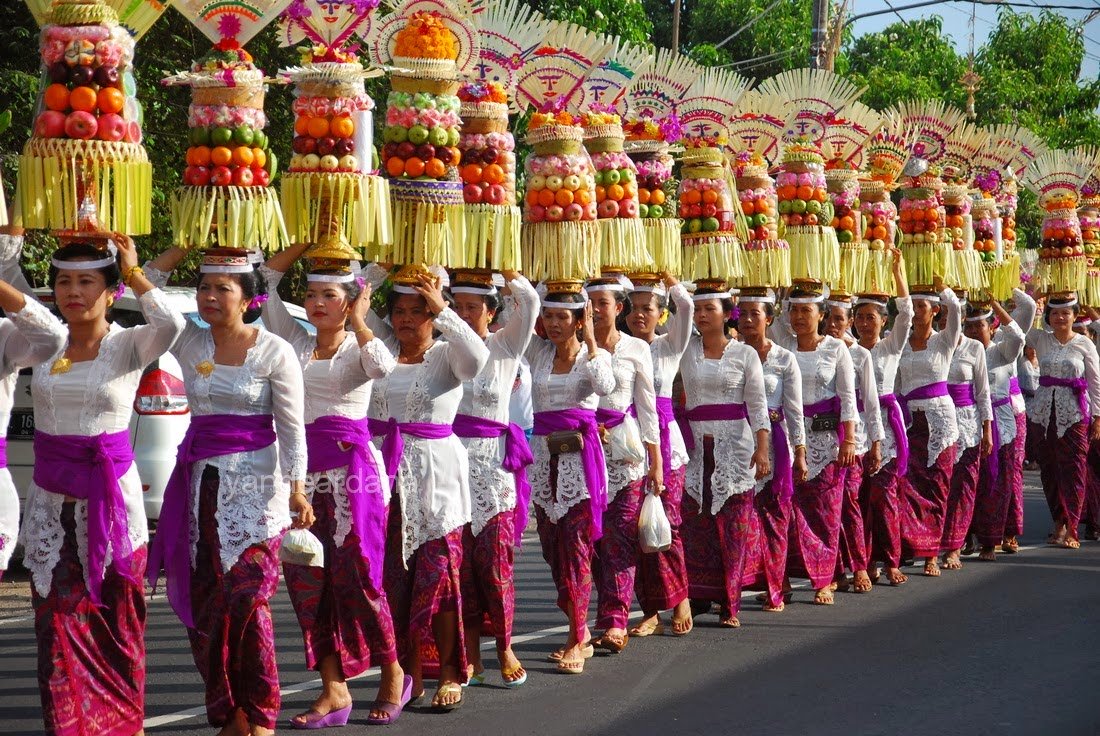
Galungan Day in Bali is one of the most important religious celebrations for the Balinese Hindu community. Held every 210 days according to the Balinese Pawukon calendar, Galungan marks the victory of dharma (good) over adharma (evil). It is a time to honor ancestral spirits and celebrate the divine forces that sustain life.
The Meaning of Galungan
Galungan represents the moment when ancestral spirits return to Earth to visit their descendants. To prepare for this sacred event, Balinese families clean their homes, create offerings, and set up beautiful penjor — tall, curved bamboo poles adorned with coconut leaves, fruits, and flowers.
The festive spirit is visible everywhere. Streets are decorated, families gather for prayers, and temples come alive with ceremonies. Galungan reminds everyone of the importance of maintaining balance between good and evil in everyday life.
The History Behind Galungan
The roots of Galungan stretch back centuries, deeply tied to Bali’s spiritual heritage. Legend says that the festival celebrates a time when the gods defeated malevolent spirits, ensuring that goodness would prevail on Earth. This victory is commemorated every 210 days, highlighting the cyclical nature of life according to Balinese beliefs.
Historically, Galungan may also reflect Bali’s integration of Hindu traditions brought from India, mixed with indigenous animistic practices. Over time, the rituals have evolved, but the core essence — honoring the ancestors and reinforcing righteousness — remains central to the celebration.
Preparations and Rituals
The preparation for Galungan begins several days before the actual festival:
- Three Days Before (Penyekeban): Families begin maturing bananas and preparing traditional foods.
- Two Days Before (Penyajahan): Special cakes, like jaja, are baked for offerings.
- One Day Before (Penampahan Galungan): Families slaughter pigs or chickens for ceremonial meals and make major preparations.
On Galungan Day itself, prayers are conducted at family temples and communal temples. Offerings are made to both the gods and the visiting spirits. Homes are filled with scents of incense, flowers, and traditional Balinese food.
Kuningan Day: The Closing of the Celebration
Ten days after Galungan, the festivities culminate in Kuningan Day. On this day, it is believed that the ancestral spirits return to the heavens. Offerings during Kuningan are often made with yellow rice (nasi kuning), symbolizing prosperity and gratitude.
Kuningan Day also involves special rituals where families pray for blessings and protection, closing the Galungan period with joy and reverence.
Experiencing Galungan in Bali
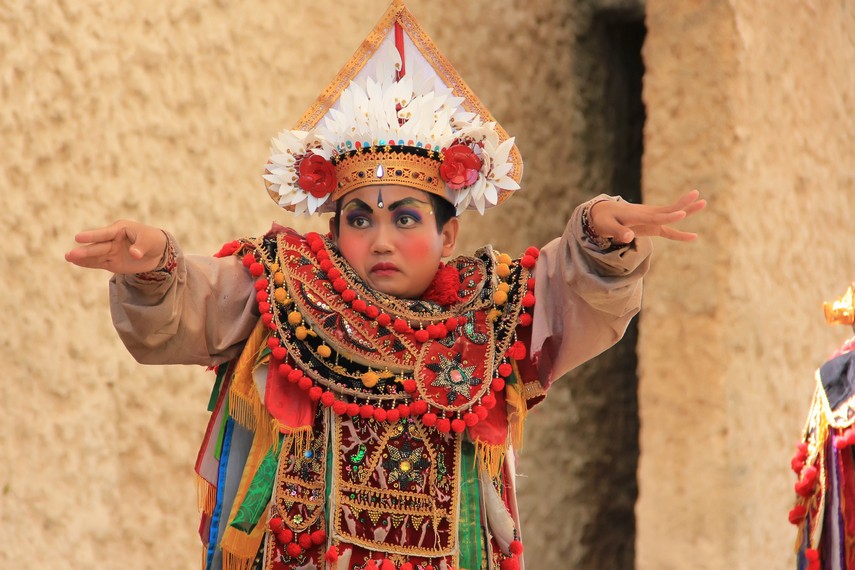
Visiting Bali during Galungan is a magical experience. The island is adorned with penjor, creating scenic views along every street. Visitors can respectfully observe ceremonies at temples, hear traditional gamelan music, and feel the vibrant spiritual atmosphere that defines Balinese life.
While tourists are welcome to witness the celebrations, it’s important to dress appropriately when visiting temples and always show respect for the local traditions.
Visit too : http://helloindonesia.id/en