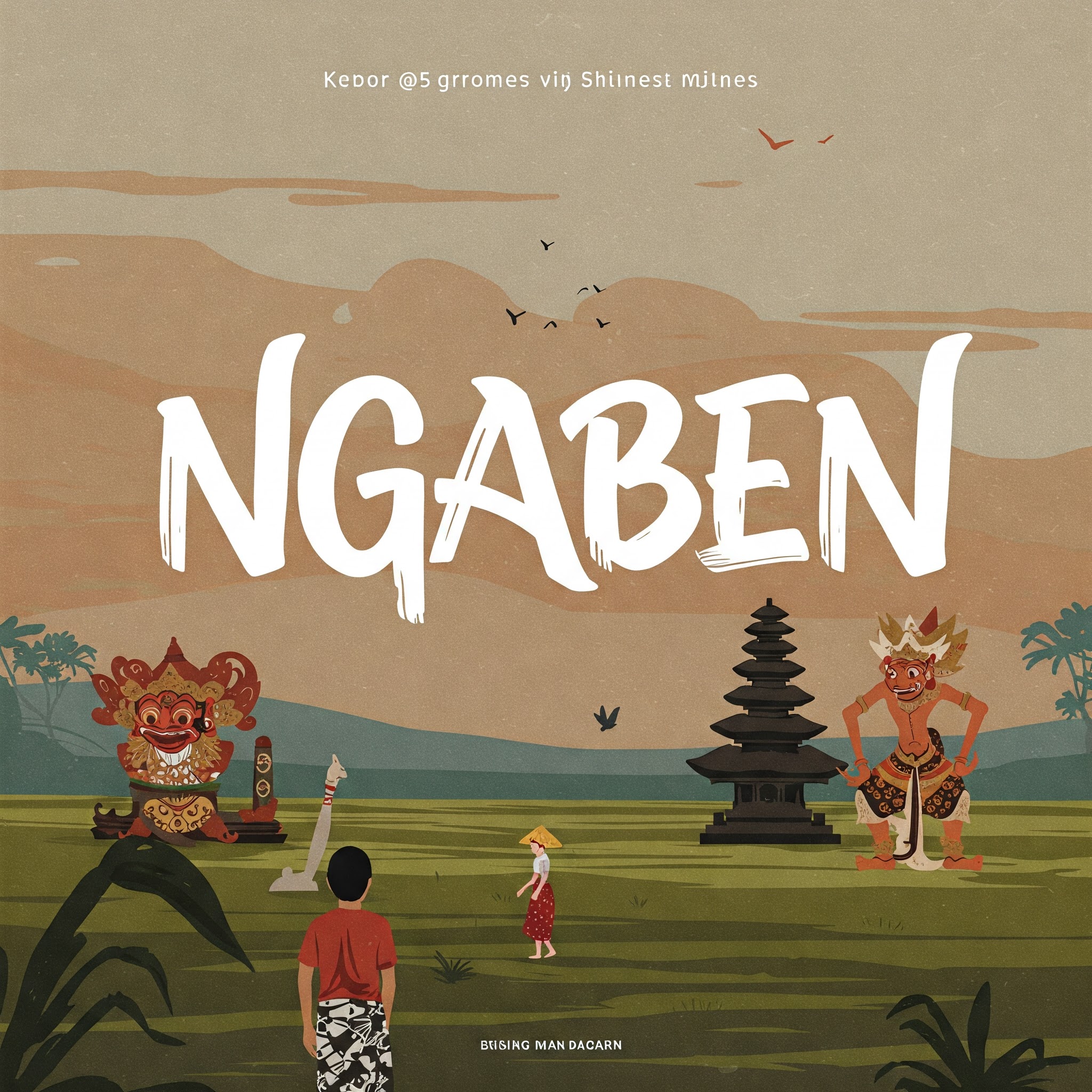
The Ngaben ceremony in Bali is one of the most profound and spiritually significant rituals in Balinese Hinduism. Known as the cremation ceremony, Ngaben is not simply about death. It is a sacred journey that helps the soul (atma) break free from worldly attachments and ascend to the afterlife.
The Meaning Behind Ngaben
In Balinese belief, the body is considered a temporary vessel, while the soul is eternal. When someone dies, it is essential to release the soul so it can be reincarnated or return to the divine source. Ngaben, derived from the word ngabu (to turn into ash), is the ritual cremation that purifies and liberates the soul.
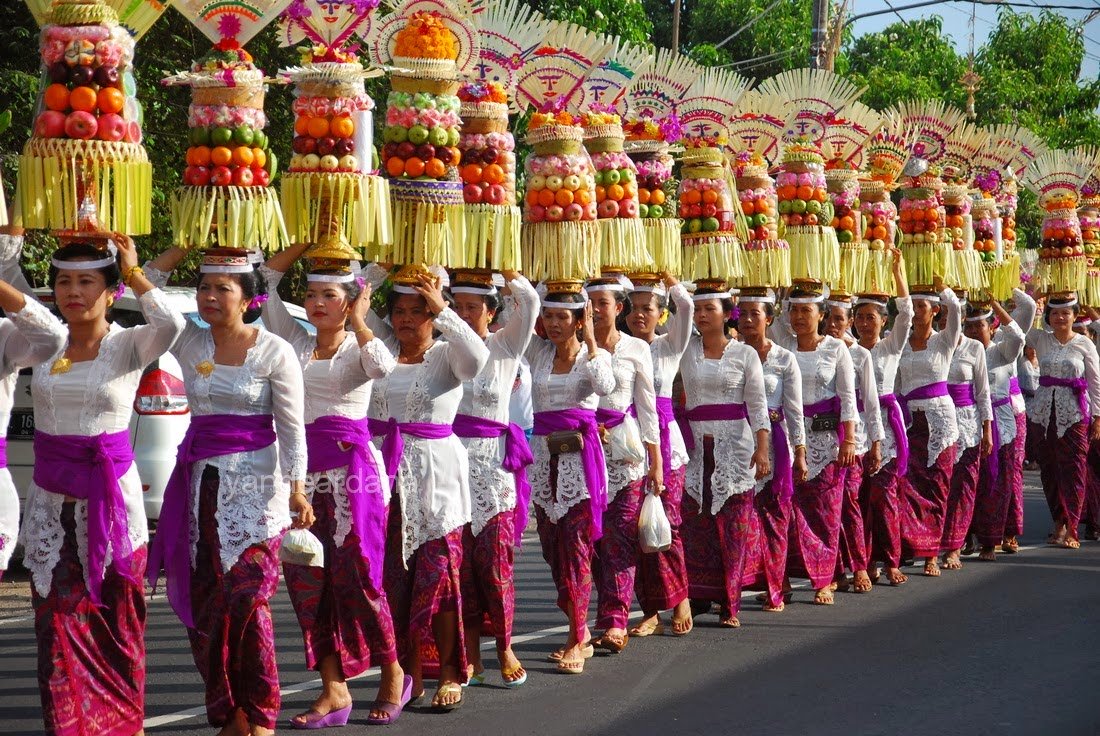
This elaborate ceremony symbolizes the burning of material bonds and the spiritual transformation of the soul. Unlike somber funerals in many cultures. The Ngaben is often colorful, vibrant, and filled with music and prayer—emphasizing joy and reverence rather than grief.
The History and Cultural Roots
Ngaben has been practiced in Bali for centuries. rooted in Hindu teachings from the Vedas and deeply influenced by local customs. It reflects a blend of Indian Hindu philosophy and indigenous Balinese spiritual practices. Historically, only royal families performed elaborate cremation rites, But over time. The ceremony has become more widely observed among all Balinese communities.
Because the ritual can be costly, many families may delay Ngaben and keep the body preserved or temporarily buried until they can join a communal cremation, known as Ngaben massal.
The Ritual Process of Ngaben
Ngaben involves several stages, each with symbolic meaning:
- Preparation of the body
The body is washed, dressed in ceremonial clothing, and placed in a temporary shrine at home. - The purification ritual (upacara penyucian)
Hindu priests (pemangku or pedanda) lead prayers and offerings to cleanse the soul and guide it toward moksha (spiritual liberation). - Procession and cremation
The body is carried in a tall, elaborately decorated tower (bade) to the cremation ground. Music from gamelan beleganjur (a traditional Balinese marching ensemble) accompanies the journey to scare away evil spirits. - Burning of the body – The body is placed inside a bull-shaped sarcophagus (lembu) or a sacred tower, and burned. The fire is believed to free the soul from its earthly ties.
- Post-cremation ritual (nganyut) – The ashes are gathered and brought to the sea or a river, symbolizing the soul’s final release and return to nature.
A Celebration of Life and Rebirth
Ngaben is a communal experience that reflects the Balinese philosophy of Tri Hita Karana—harmony between humans, nature, and the divine. Though it marks a physical departure, it also celebrates life, community, and spiritual continuity.
Visitors who witness a Ngaben ceremony will see an emotional yet vibrant display of faith, music, art, and cultural depth. It is a powerful reminder that in Bali, life and death are part of a sacred cycle.
Conclusion
The Ngaben ceremony in Bali is much more than a funeral—it is a sacred spiritual transition that connects the visible world with the unseen. Rich in symbolism, tradition, and community values, this unique cremation ritual offers deep insights into Balinese culture and its profound understanding of life, death, and rebirth.
Visit too: http://helloindonesia.id/en