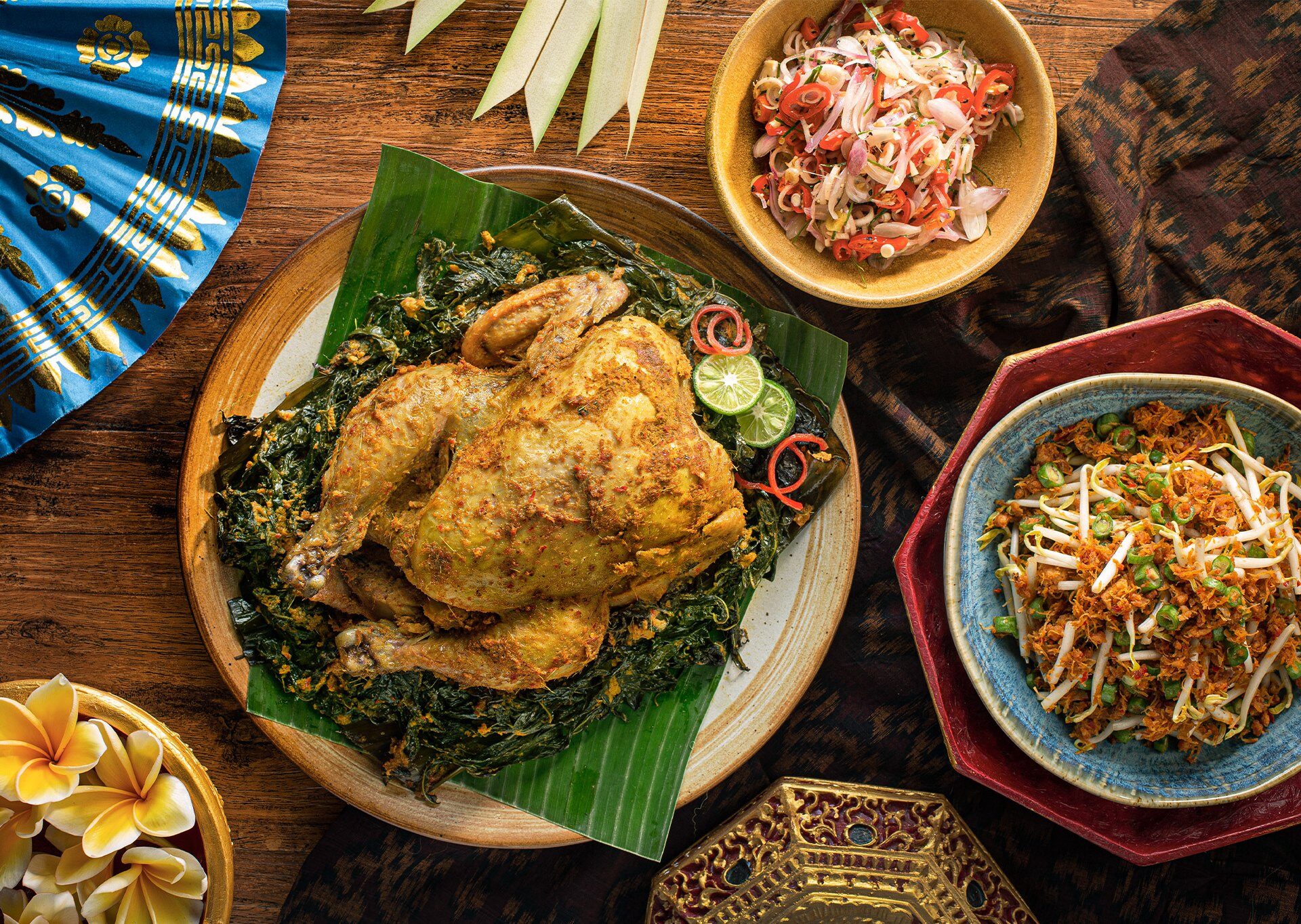
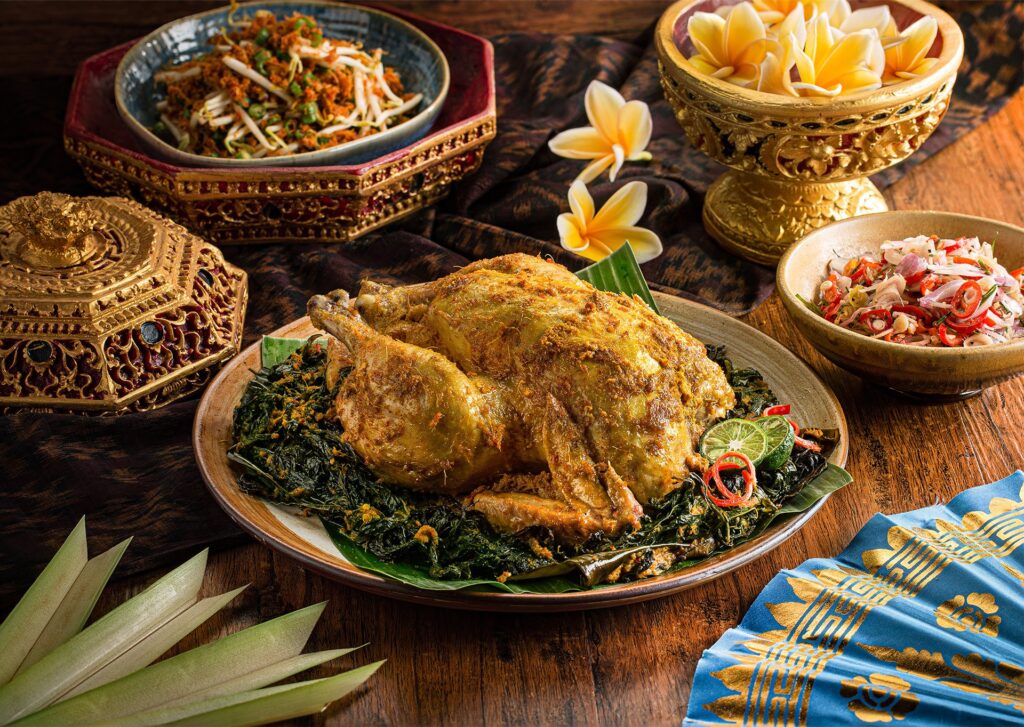
Exploring Bali is incomplete without savoring Ayam Betutu, a signature dish that has been recognized as Indonesia’s Intangible Cultural Heritage (WBTB). According to Urbanasia, the term “betutu” originates from “be,” meaning meat or fish, and “tunu,” meaning roasted or grilled. Hence, “betutu” refers to roasted or grilled meat.
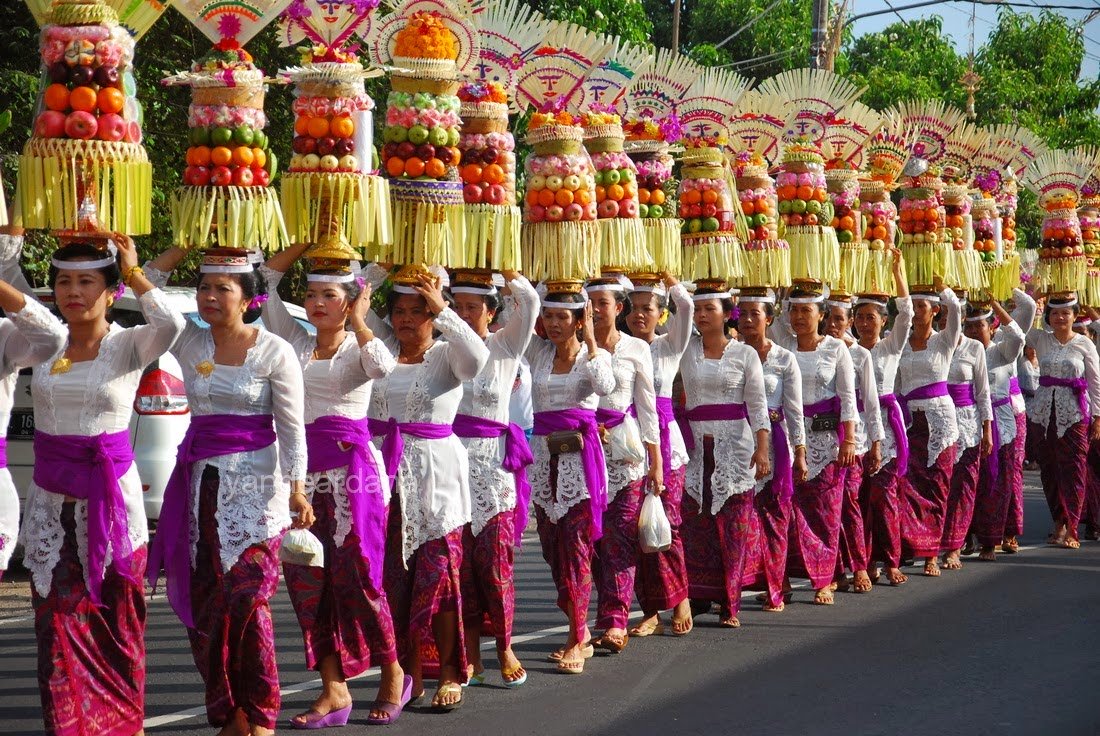
As cited in Betutu Bali: Towards Indonesian Cultural Diplomacy Cuisine, written by I Made Purna and Kadek Dwikayana on the official website ejurnalpatanjala.kemdikbud.go.id, Ayam Betutu was originally an offering to Ida Hyang Widhi Wasa, the Almighty God, through the Dewa Yadnya Ceremony. This ceremony honors the Hindu Trinity: Brahma, Vishnu, and Shiva. The sacred dish was then shared among the community as part of the ritual.
The Role of Ayam Betutu in Balinese Ceremonies
Dewa Yadnya is one of the five sacred offerings in Balinese Hindu tradition, known as Panca Yadnya. These offerings mark different stages of life and spiritual devotion:
- Pitra Yadnya: A tribute to ancestral spirits and deities to purify their souls and ensure their place in the afterlife.
- Rsi Yadnya: A dedication to sages, spiritual leaders, priests, and teachers in Hinduism.
- Manusa Yadnya: Rituals for human well-being, from prenatal ceremonies to marriage celebrations.
- Butha Yadnya: Offerings to natural forces and spirits to maintain harmony and prevent negative energies.
Over time, Ayam Betutu evolved beyond ceremonial use and became a dish enjoyed by Balinese royalty and for social gatherings. Traditionally, it is made using free-range chicken or duck, both significant in Balinese culture. These birds are also used in Caru or Tawur ceremonies, which aim to maintain cosmic balance.
The Unique Preparation of Ayam Betutu
Ayam Betutu is made with base genep (a complete spice blend) and wewangenan (aromatic spices). These ingredients include:
- Base Genep: Shallots, garlic, candlenuts, turmeric, galangal, ginger, lemongrass, kaffir lime leaves, chili peppers, and coconut oil.
- Wewangenan: White and black pepper, coriander, frankincense, nutmeg, cloves, and citrus peel.
The spice mixture is rubbed inside and outside the whole chicken, which is then wrapped in banana or areca leaves for added fragrance. In the traditional method, the chicken is buried in hot embers, allowing it to slow-cook for 8 to 10 hours. This process, inherited from Majapahit Kingdom refugees who fled to Bali, results in tender, flavorful meat infused with rich spices.
The Rise of Ayam Betutu as a Culinary Staple
Ayam Betutu gained widespread popularity thanks to Ni Wayan Tempeh, who, alongside her husband I Nyoman Suratna, founded Warung Ayam Betutu Men Tempeh in 1976. This marked the transition of Ayam Betutu from a ceremonial dish to a beloved everyday meal. Today, it is enjoyed by locals and tourists alike, often served with lawar (a mix of vegetables, grated coconut, and minced meat) and sambal matah (Balinese raw chili sauce).
Try Making Ayam Betutu at Home!
Ingredients:
- 1 whole chicken (approx. 800g), cleaned
- 1 tsp salt
- 6 tbsp cooking oil
- 100g boiled cassava leaves, squeezed dry
- Banana leaves for wrapping
Spice Paste (blend together):
- 10 shallots
- 6 cloves garlic
- 4 red chilies
- 10 bird’s eye chilies
- 5 roasted candlenuts
- 2 tsp coriander seeds
- 2 tsp black pepper powder
- 1 tsp roasted shrimp paste
- 3 stalks lemongrass, thinly sliced
- 1 cm galangal, thinly sliced
- 2 cm turmeric
- 2 cm ginger
- 2 cm kencur (aromatic ginger)
- 8 kaffir lime leaves, thinly sliced
- 1 ½ tsp salt
- 1 tbsp palm sugar, grated
Instructions:
- Prick the chicken skin with a fork and rub with salt.
- Heat oil in a pan, sauté the spice paste until fragrant, then let it cool.
- Divide the spice paste and cassava leaves into two portions.
- Lay two large banana leaves, spread one portion of spice paste and cassava leaves, place the chicken on top, then coat with the remaining spice paste and leaves.
- Wrap tightly, securing with toothpicks or twine.
- Steam over medium heat for 60 minutes until tender.
- Bake in an oven for 30 minutes until slightly dry.
- Serve hot with rice, lawar, and sambal matah.
Visit too http://helloindonesia.id/